



+86 20 8269 2588



Jun. 17, 2026
Building Integrated Photovoltaics (BIPV) technology represents a groundbreaking shift in the realm of renewable energy solutions. By seamlessly integrating solar panels into building structures — notably facades and roofs — BIPV not only generates electricity but also serves as a functional architectural element. This dual-purpose design enhances aesthetic appeal while significantly contributing to energy savings and sustainability goals, thereby increasing the value of the property and reducing operational costs.
Understanding BIPV involves recognizing its roots in solar energy technology that dates back to the 1970s. Initially, solar panels were largely standalone units requiring significant space on rooftops. However, advancements in photovoltaic materials and design have led to the development of systems that can be incorporated into the building envelope itself. This evolution reflects the industry's growing focus on energy efficiency and environmental responsibility, meeting increasing regulatory demands for greener building solutions.
The practical applications of BIPV are extensive and impactful. For commercial buildings, the integration of solar panel facade systems can generate substantial amounts of electrical power, often reducing energy bills by up to 30%. Additionally, such systems can contribute to LEED certification, enhancing marketability and compliance with stringent environmental standards. Beyond energy generation, BIPV systems can improve thermal insulation, thereby decreasing the reliance on HVAC systems and further boosting energy efficiency.
Despite its advantages, there are misconceptions about BIPV technology that need addressing. One common error is the belief that BIPV systems are prohibitively expensive. While upfront investment can be higher compared to traditional solar panels, the long-term savings and potential building value increase often justify this expense. Furthermore, many assume that integrating solar panels into a building’s design compromises aesthetics. In reality, advancements in design and materials allow for innovative and attractive applications — such as the sleek, glass-like solar panels offered by Jangho, which can enhance a building's visual appeal while fulfilling energy needs.
Consider the case of the Edge in Amsterdam, one of the most sustainable office buildings worldwide. This facility utilizes a sophisticated BIPV system that contributes to its status as a net-zero energy building. The solar integration not only produces more energy than the building consumes but also showcases how BIPV installations can be designed for aesthetic coherence and performance. The results are evident: a 100% satisfaction rate with energy performance and a significant reduction in operational costs.
Summarizing the core advantages of Building Integrated Photovoltaics Technology, it is clear that BIPV offers an innovative solution to the growing demand for sustainable energy in construction. By incorporating solar panel facade systems into the architectural design, businesses can achieve significant cost savings, enhance property value, and contribute to a greener future. For those interested in delving deeper into innovative solar solutions for building integration, visiting Jangho’s website may inspire fresh ideas on how to implement these technologies efficiently and effectively.
Embrace the future of architecture and sustainability with Building Integrated Photovoltaics technology, transforming not only structures but also our approach to energy consumption creatively and responsibly.
Reltaed Products
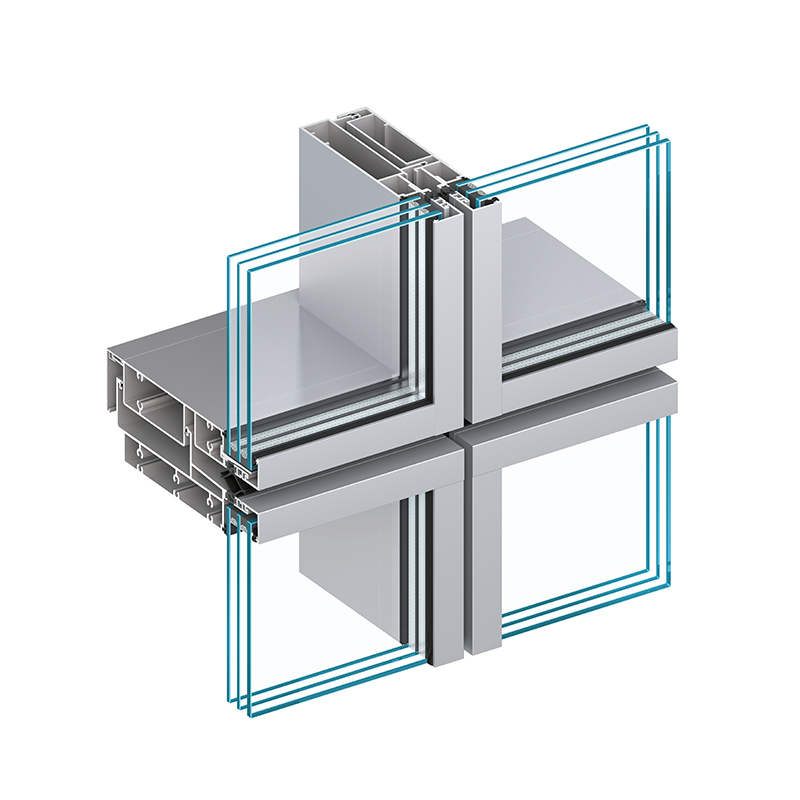
JH-U Unitized Curtain Wall (Exposed Framing)
Product Type: JH-U Unitized Curtain Wall (Exposed Framing)
Mullion width: 65/80/100 mm
Glass Thickness: 6-54 mm
Thermal Performance: For the JH-U80 model, the unit width is 1,800 mm, the unit height is 4,400 mm, and the inter-floor height is 1,100 mm.
Glass thermal transmittance (Ug) is 0.8 W/(m²·K), corresponding to the system thermal transmittance (Uw) of 1.3 W/(m²·K).
Air Permeability Performance: EN 12152/12153, Class A4; ASTM E283, compliant; GB/T 15227, Class 4
Static Watertightness Performance: BS EN 12154/12155, RE 1000; ASTM E331, 1000Pa, Compliant
Dynamic Watertightness Performance: BS EN 13050, 500Pa/1500Pa; AAMA 501.5, Compliant; GB/T 15227, Class 5
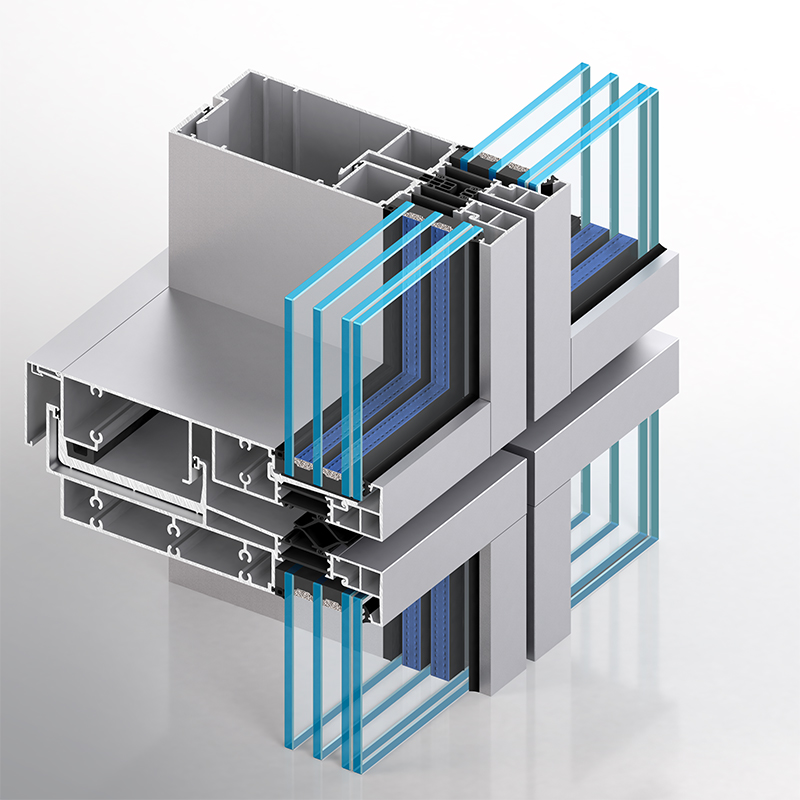
JH-U Unitized Curtain Wall (Exposed Framing - High Thermal Performance)
Product Type: JH-U Unitized Curtain Wall (Exposed Framing - High Thermal Performance)
Mullion Width: 80/100 mm
Glass Thickness: 30-70 mm
Thermal Performance: For the JH-U80 model, the unit width is 1,800 mm, the unit height is 4,400 mm, and the inter-floor height is 1,100 mm. Glass thermal transmittance (Ug) is 0.7 W/(m²·K), corresponding to the system thermal transmittance (Uw) of 1.0 W/(m²·K).
Air Permeability Performance: EN 12152/12153, Class A4; ASTM E283, Compliant; GB/T 15227, Class 4
Static Watertightness Performance: BS EN 12154/12155, RE 1000; ASTM E331, 1000Pa, Compliant
Dynamic Watertightness Performance: BS EN 13050, 500Pa/1500 Pa; AAMA 501.5, Compliant; GB/T 15227,Class 5

